

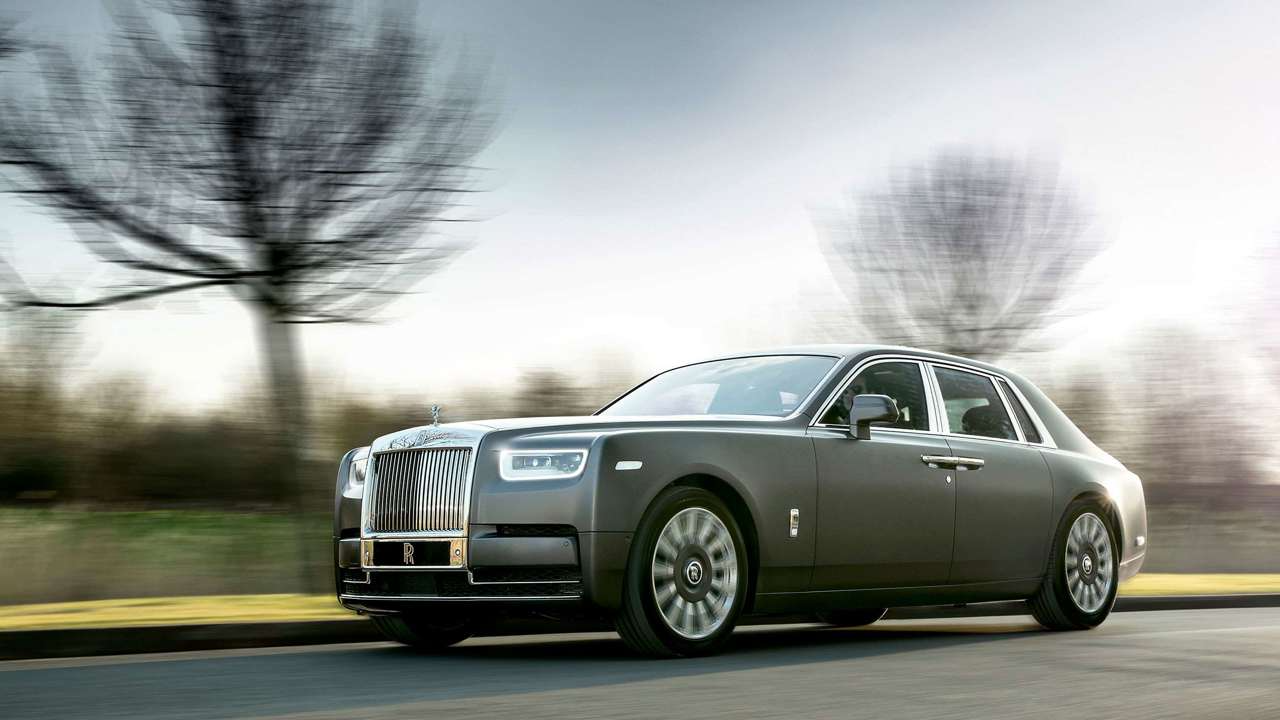
Luxury sedans are designed around a careful balance of comfort, refinement, and visual proportion. Their appeal often comes from subtle details rather than extreme styling. For owners who want to make their vehicles more individual, exterior customization offers opportunities to create a distinctive appearance while retaining the elegance that makes a premium sedan recognizable.
The most effective upgrades begin with a clear objective. Some owners prefer a sportier look, others want a more modern finish, and some simply wish to refresh components that have become worn. Defining the goal helps prevent unnecessary purchases and makes it easier to select parts that work together.
Start With the Vehicle’s Original Design
Before modifying a luxury sedan, study its factory styling. Examine the grille, headlights, bumper contours, wheel design, side profile, and rear details. These elements establish the vehicle’s proportions and visual identity.
A successful customization plan should complement these features. For example, darker trim may create a more understated appearance, while carefully selected exterior accents can emphasize the car’s existing lines.
Subtle Changes Can Have a Strong Effect
Not every project requires a complete transformation. Replacing a damaged trim piece, updating a finish, or adding a compatible styling component can improve the overall presentation without making the car look unfamiliar.
Owners should also consider the vehicle’s condition. A thorough wash, paint correction where appropriate, and repair of existing damage may provide a better foundation than immediately adding new parts.
Selecting Compatible Exterior Components
Compatibility is especially important for luxury vehicles because their bodywork may include complex curves, integrated sensors, and model-specific mounting arrangements. Two versions of the same sedan can differ by model year, trim level, or factory styling package.
When researching a lexus es body kit verify the exact model generation and configuration before ordering. Check whether the kit includes the required pieces, whether factory components must be replaced, and whether the parts are designed for direct installation or require modification.
A supplier should be able to explain the intended application and provide clear details about the material, finish, and installation process.
Understanding Materials and Finishes
Automotive exterior parts are made from a variety of materials, including molded plastics and composite materials. Their suitability depends on the location of the component, expected exposure, design requirements, and budget.
Durability and Appearance
A high-quality finish should look consistent across the component, with clean edges and no obvious defects. Surface preparation and paint matching are important when parts are supplied unfinished or require color blending.
Material claims should be assessed carefully. A component described as lightweight or premium should still be evaluated for construction quality, mounting strength, and suitability for the intended use.
Owners should also consider repairability. A part that is difficult or expensive to repair may not be ideal for a vehicle used every day, particularly if it is positioned close to the road.
Maintaining Comfort and Practicality
A luxury sedan is often expected to remain comfortable and convenient. Exterior changes should not compromise door operation, parking sensors, cameras, lighting, or other integrated equipment.
Lower body components deserve particular attention because they may reduce clearance over ramps and uneven roads. Before selecting a design, think about typical parking spaces, driveway angles, and road surfaces.
Changes to lighting or other regulated equipment should meet the applicable local standards. If a modification affects a sensor or driver-assistance system, qualified inspection or recalibration may be necessary.
Professional Installation and Quality Control
Even well-made parts can look poor when installed incorrectly. A professional installer can check the fit, identify potential interference, and determine whether preparation or adjustment is required.
Before installation, inspect the parts for shipping damage and compare them with the supplied specifications. Confirm the condition of the vehicle’s existing mounting points, as damaged clips or brackets can create problems that a new component will not solve.
Check the Finished Result
After installation, review the vehicle in daylight and from several angles. Panel gaps should appear consistent, surfaces should align naturally, and fasteners should be secure. Open and close doors, test relevant sensors, and check that no component rubs against a tire or another moving part.
Keep records of the parts installed and any professional work completed. These details can be useful for maintenance, future changes, and resale discussions.
Creating a Coordinated Luxury Look
Consistency is one of the most important principles in premium vehicle styling. Choose a theme before purchasing individual parts. A restrained approach might use body-color components and understated trim, while a sportier design could combine darker accents with complementary wheels.
Avoid combining too many unrelated finishes. Gloss black, matte surfaces, exposed composites, chrome, and contrasting paint can work together, but only when their proportions and placement are carefully considered.
It is also worth evaluating the vehicle from a distance. A modification that looks impressive in a close-up photograph may appear visually unbalanced when viewed as part of the complete car.
Budgeting for Customization
The purchase price is only one part of the total cost. Include shipping, preparation, paintwork, installation labor, replacement clips, and possible adjustments in the budget.
Request a detailed estimate before work begins. If the project involves several components, confirm which items are included and whether additional labor may be required. A realistic budget reduces the temptation to compromise on installation quality later.
Conclusion
Personalizing a luxury sedan is most rewarding when the modifications respect its original design and practical purpose. By confirming compatibility, selecting suitable materials, planning a consistent theme, and prioritizing professional installation, owners can create a distinctive appearance without sacrificing refinement. Thoughtful upgrades are those that feel like a natural extension of the vehicle rather than an unrelated collection of accessories.
FAQs
1. Can a luxury sedan be customized without making it look overly modified?
Yes. Subtle, coordinated changes such as compatible trim, carefully selected body components, and consistent finishes can create a distinctive look while preserving the original design.
2. How can I confirm that a body kit fits my sedan?
Check the exact model generation, production year, trim level, and factory package. Ask the supplier to confirm compatibility and clarify whether modifications are needed.
3. Should exterior modifications be professionally installed?
Professional installation is advisable when parts require painting, precise alignment, specialized fasteners, or work around sensors and other integrated equipment.
