
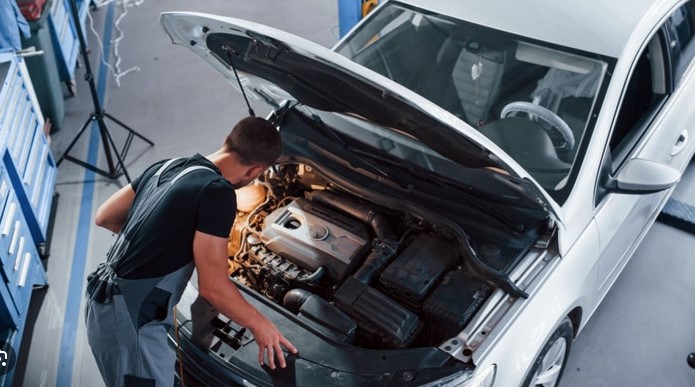

Automobiles are complex machines, composed of thousands of parts working in harmony to ensure smooth operation and safety. Understanding auto parts, their functions, and maintenance can significantly enhance your vehicle’s performance and longevity. This guide delves into the critical components of a car, common issues, and tips for maintenance.
1. Engine Components
The engine is the heart of any vehicle, converting fuel into mechanical energy. Key parts include:
- Cylinder Block: The engine’s core, housing the cylinders.
- Pistons: Move up and down within the cylinders, converting fuel energy into mechanical power.
- Crankshaft: Converts the pistons’ linear motion into rotational motion.
- Camshaft: Controls the opening and closing of valves, ensuring proper air-fuel mixture and exhaust expulsion.
- Timing Belt/Chain: Synchronizes the crankshaft and camshaft movements.
Common Issues: Engine knocking, oil leaks, overheating, and power loss.
Maintenance Tips:
- Regularly change engine oil and filters.
- Keep the cooling system in check to prevent overheating.
- Replace the timing belt/chain as per the manufacturer’s schedule.
2. Transmission System
The transmission transfers power from the engine to the wheels, allowing the vehicle to move at various speeds.
- Manual Transmission: Requires the driver to manually shift gears using a clutch pedal and gear stick.
- Automatic Transmission: Shifts gears automatically based on speed and engine load.
Common Issues: Slipping gears, delayed engagement, fluid leaks.
Maintenance Tips:
- Check transmission fluid levels regularly.
- Service the transmission as recommended by the manufacturer.
- Avoid aggressive driving that can overheat the transmission.
3. Brake System
A crucial safety component, the brake system allows a vehicle to slow down or stop.
- Disc Brakes: Common in modern vehicles, using calipers to squeeze brake pads against a rotor.
- Drum Brakes: Older design, using brake shoes pressing against a drum.
- Anti-lock Braking System (ABS): Prevents wheel lock-up during hard braking, maintaining steering control.
Common Issues: Brake fade, squeaking noises, reduced stopping power.
Maintenance Tips:
- Regularly check brake pads and rotors for wear.
- Ensure brake fluid is topped up and free from contaminants.
- Pay attention to any warning signs like unusual noises or a spongy brake pedal.
4. Suspension System
The suspension system supports the vehicle’s weight, absorbs shocks, and maintains tire contact with the road.
- Shocks and Struts: Absorb impact and provide a smooth ride.
- Control Arms: Connect the suspension to the frame, allowing up and down movement.
- Springs: Support the vehicle’s weight and absorb shocks.
Common Issues: Uneven tire wear, poor handling, excessive bouncing.
Maintenance Tips:
- Inspect shocks and struts for leaks or damage.
- Ensure alignment is checked regularly to prevent uneven tire wear.
- Replace worn-out bushings and control arms.
5. Electrical System
The electrical system powers lights, instruments, and other electronic components.
- Battery: Provides the initial power to start the engine and powers accessories when the engine is off.
- Alternator: Charges the battery and powers the electrical system when the engine is running.
- Starter Motor: Cranks the engine to start it.
Common Issues: Dead battery, dim lights, malfunctioning accessories.
Maintenance Tips:
- Regularly test the battery and charging system.
- Clean battery terminals to prevent corrosion.
- Replace worn-out belts driving the alternator.
6. Exhaust System
The exhaust system expels combustion gases from the engine and reduces noise.
- Exhaust Manifold: Collects exhaust gases from the cylinders.
- Catalytic Converter: Reduces harmful emissions by converting them into less harmful substances.
- Muffler: Reduces the noise produced by the exhaust gases.
Common Issues: Exhaust leaks, increased emissions, loud noises.
Maintenance Tips:
- Regularly inspect for rust or damage.
- Ensure the catalytic converter is functioning properly to pass emissions tests.
- Replace gaskets and seals as needed to prevent leaks.
7. Cooling System
The cooling system regulates the engine’s temperature to prevent overheating.
- Radiator: Dissipates heat from the coolant.
- Water Pump: Circulates coolant through the engine and radiator.
- Thermostat: Regulates the flow of coolant based on the engine’s temperature.
Common Issues: Overheating, coolant leaks, thermostat failure.
Maintenance Tips:
- Regularly check coolant levels and top up as needed.
- Flush the cooling system periodically to remove contaminants.
- Replace faulty thermostats and hoses.
8. Fuel System
The fuel system stores and delivers fuel to the engine.
- Fuel Tank: Stores the fuel.
- Fuel Pump: Delivers fuel from the tank to the engine.
- Fuel Injectors: Spray fuel into the combustion chambers for mixing with air.
Common Issues: Fuel leaks, clogged injectors, poor fuel efficiency.
Maintenance Tips:
- Regularly replace the fuel filter to prevent clogging.
- Use high-quality fuel to minimize deposits in the injectors.
- Inspect for leaks and repair immediately.
Conclusion
Maintaining your vehicle’s auto parts is crucial for performance, safety, and longevity. Regular inspections, timely replacements, and understanding the basic functions of these components can save you time and money. Whether you are a seasoned mechanic or a novice car owner, staying informed about your vehicle’s parts and their maintenance can ensure your vehicle remains in optimal condition for years to come.
Investing time and effort in understanding and maintaining your car’s various systems will pay off with a smoother, safer, and more reliable driving experience. Remember, a well-maintained vehicle not only performs better but also holds its value longer, giving you peace of mind on the road.
